
Biophilic Design and Human Health: Rethinking Nature as a Therapeutic Infrastructure.
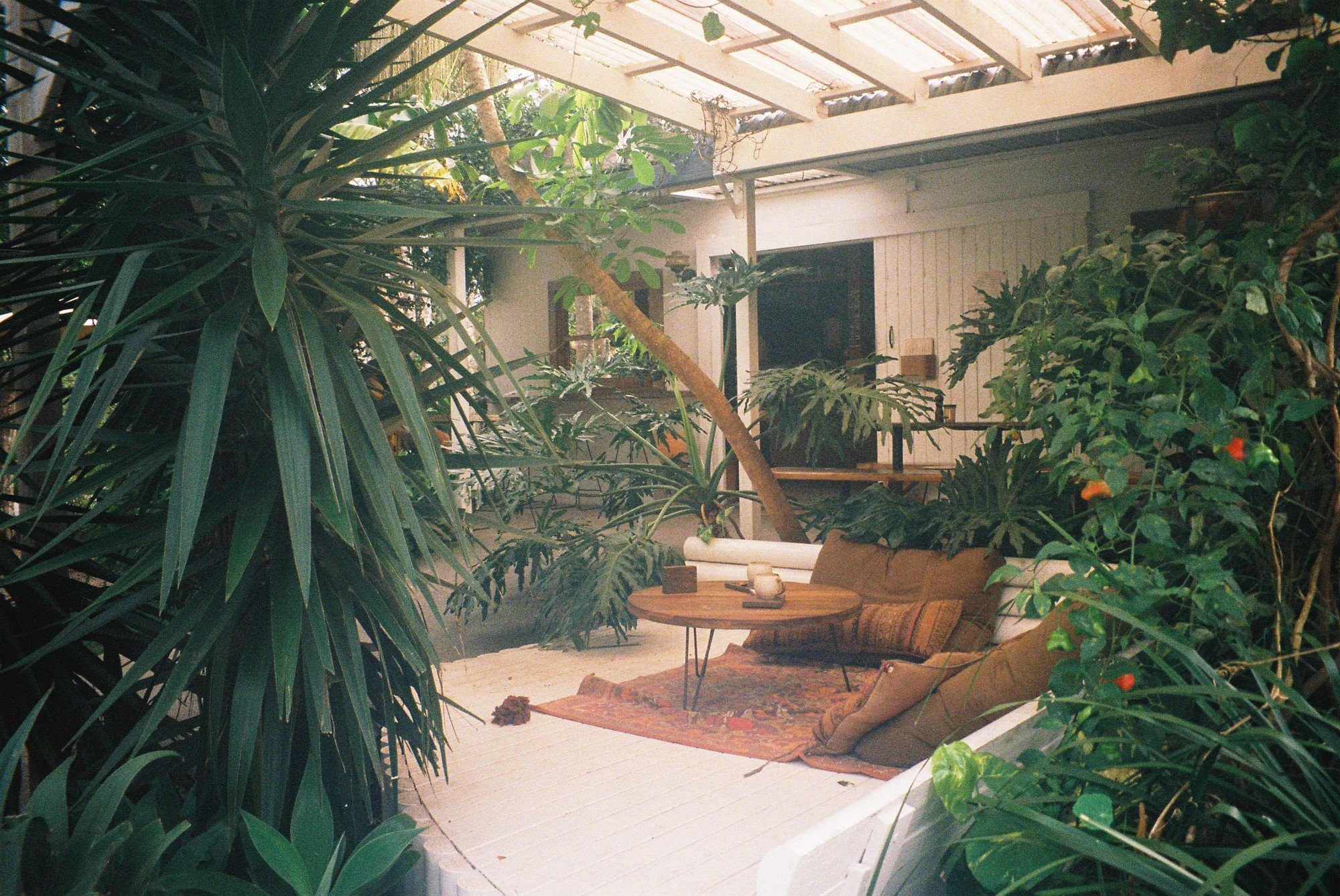
Source: Cosmos.so
Introduction: From Design Idealism to Evidence-Based Intervention
In recent years, biophilic design has evolved from an aspirational concept to a mainstream design objective. But while its presence in architecture and interiors is increasingly widespread, its purpose remains inconsistently articulated. In many cases, natural elements are introduced without a clear understanding of what they are meant to affect or why they matter. This has left the field open to superficial applications and overused narratives, often repeating early findings without updating them in light of newer, more rigorous evidence.
If the first step was recognising that natural environments hold affective power, the next step is defining how, when, and for whom those effects are measurable and reliable. This shift in focus has brought biophilic design into closer dialogue with behavioural and health sciences, particularly in the context of mental wellbeing, cognitive function, and stress-related health outcomes.
Biophilic Design as a Health Intervention: Moving Beyond Symbolism
A major shortcoming in many biophilic design strategies is their dependence on visual cues alone, a practice some researchers critique as mere ‘aesthetic tokenism’ (Ryan et al., 2014). The assumption that visual greenery alone can reliably produce calm or well-being is not supported by current evidence. Instead, the most robust effects appear when multiple sensory channels are engaged and specific patterns are present, those that mimic the ecological and spatial logic of natural environments in ways that our nervous systems are evolved to recognise.
For example, a 2020 study by Putrino et al. found that environments combining organic spatial layout, soft lighting gradients, plant presence, and subtle soundscapes (such as water or birdsong) produced measurable reductions in stress and enhanced relaxation among healthcare workers, supporting the idea that multi-sensory integration enhances health outcomes (Putrino et al., 2020). This suggests that biophilic design is not merely a visual strategy. It is a multi-sensory system that supports psychological health when applied with neurobiological sensitivity.
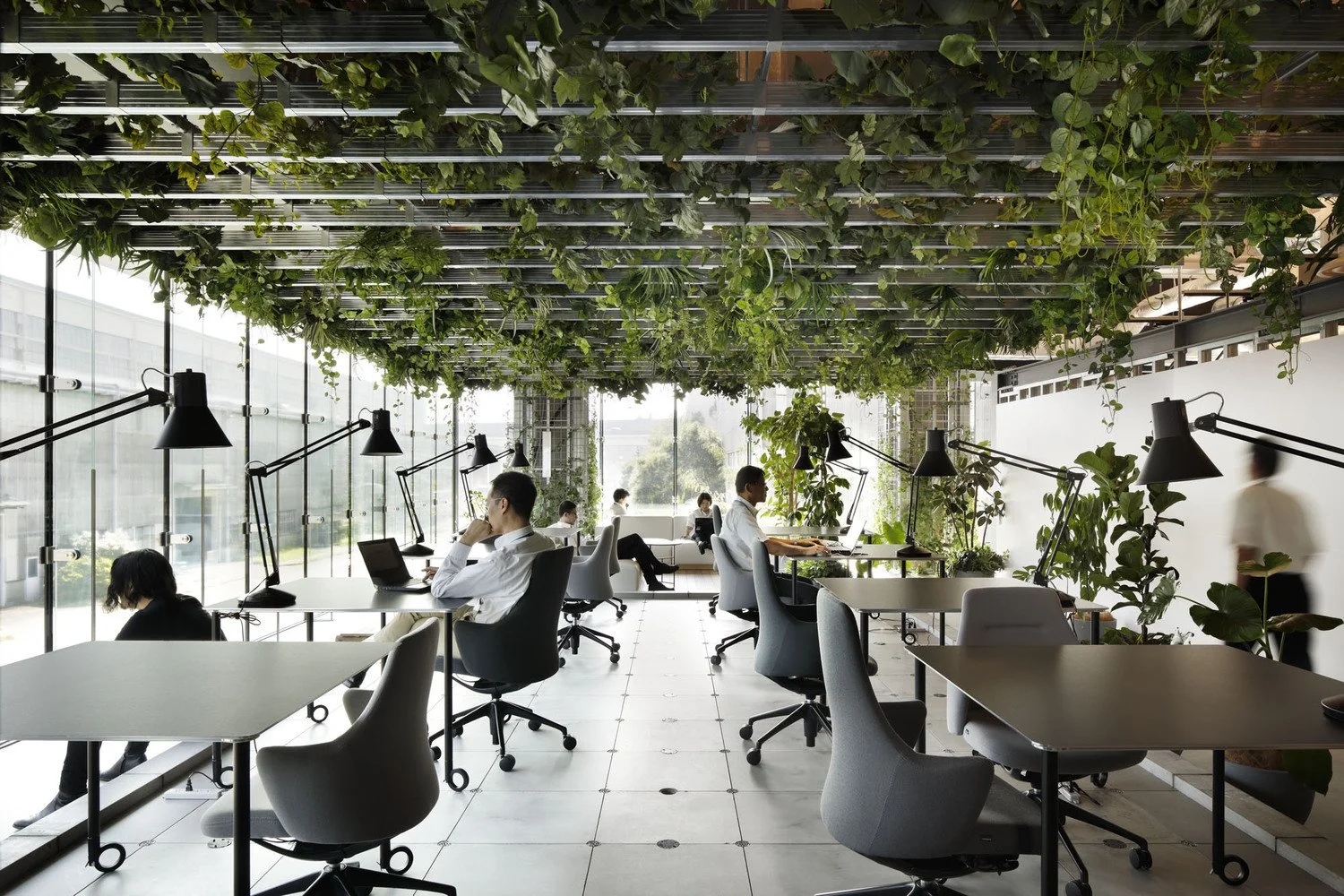
IHI Innovation Center [I-Base], Japan
Psychological and Physiological Pathways of Impact
The psychological benefits of biophilic environments are increasingly understood to operate along several interacting pathways.
Stress Regulation and Cortisol Response
One of the most consistent physiological effects reported in the literature is a reduction in stress hormone levels in response to biophilic exposure. A meta-analysis by Gaekwad et al. (2023) reviewing dozens of field and lab studies found significant reductions in salivary cortisol levels among participants exposed to nature-integrated environments, whether through real plants, wood materials, or daylight variability. The effect was especially pronounced in recovery settings (e.g., after acute stress induction), suggesting biophilic elements accelerate physiological recovery after stress, helping people return to baseline more quickly (Gaekwad et al., 2023).
Autonomic Nervous System Rebalancing
Heart rate variability (HRV), a biomarker of autonomic flexibility and emotional resilience, has also been shown to improve following exposure to biophilic design. For instance, Wardle and Guo (2022) demonstrated that workers in a biophilic office (with diffuse daylight, indoor plants, and natural ventilation) showed increased HRV during challenging tasks, reflecting improved autonomic flexibility and recovery, a sign of parasympathetic (rest-and-digest) activation rather than elevated stress (Wardle & Guo, 2022).
Mood and Affect Modulation
Beyond biological markers, studies using standardised psychological instruments such as the Positive and Negative Affect Schedule (PANAS) and Profile of Mood States (POMS) show that biophilic environments are reliably associated with lower negative affect, reduced tension, and greater emotional stability. Importantly, these outcomes are not limited to passive exposure; a growing body of work suggests that immersive and task-integrated biophilic settings, such as classrooms designed for sensory engagement or waiting areas with active environmental features, produce stronger and more durable effects than passive visual exposure alone (van den Berg et al., 2017; Putrino et al., 2020).

Khoo Teck Puat Hospital, Singapore
From Calm to Cognition: Biophilic Design and Mental Performance
While mental health benefits often focus on emotional wellbeing, cognitive outcomes are just as critical, particularly in the workplace, educational, and clinical contexts. Studies now show that biophilic design can enhance working memory, sustained attention, and creative problem solving, likely by supporting both neurological restoration and attentional replenishment.
In a controlled trial by Zhang et al. (2024), participants in a biophilic workspace scored significantly higher on Stroop and n-back tasks, two standard psychological tests used to measure attention control and working memory, respectively, with neuroimaging confirming enhanced activation in the dorsolateral prefrontal cortex, associated with executive function.These gains were observed after only four weeks of exposure, suggesting even short-term design changes can yield cognitive dividends.
Clinical Settings and Patient Recovery: Design That Heals
Some of the most compelling evidence for the health effects of biophilic design comes from clinical environments, where the stakes are higher and outcomes are better defined. A 2020 study by Putrino et al. described how a multisensory, nature-based design intervention for frontline healthcare staff led to a more than 60% reduction in perceived stress after a single 15-minute session.
Crucially, these changes were not attributed to environmental aesthetics alone. Interviews with staff and patients pointed to perceived safety, privacy, and sensory regulation as core benefits, highlighting how well-designed natural features can become psychological scaffolding for those in states of vulnerability (Putrino et al., 2020).
Rethinking Metrics: What Should We Be Measuring?
For biophilic design to be more than an assumption, its effects must be made visible through measurable outcomes. These outcomes span physiological, cognitive, affective, and behavioural domains, and each speaks to a different facet of mental health and performance.
Physiological metrics such as salivary cortisol, heart rate variability, or skin conductance can reveal how environments affect our stress regulation and autonomic balance. These are especially relevant in high-pressure spaces like intensive care units, emergency rooms, or trading floors.
Cognitive metrics, including n-back memory tasks, reaction time, or attention bias measures, are useful when evaluating performance in schools, offices, or decision-making environments.
Affective metrics involve validated self-report tools such as the WHO-5 Wellbeing Index, which assesses general emotional wellbeing, and the PHQ-4, which screens for anxiety and depressive symptoms. These are especially valuable in longitudinal assessments where subtle shifts in mental state might otherwise go unnoticed.
Finally, behavioural metrics, like hospital length of stay, absenteeism rates, medication use, or staff turnover, offer insight into real-world impacts and economic outcomes. When tracked over time, these indicators can provide organisations with a clearer picture of return on investment and human benefit.
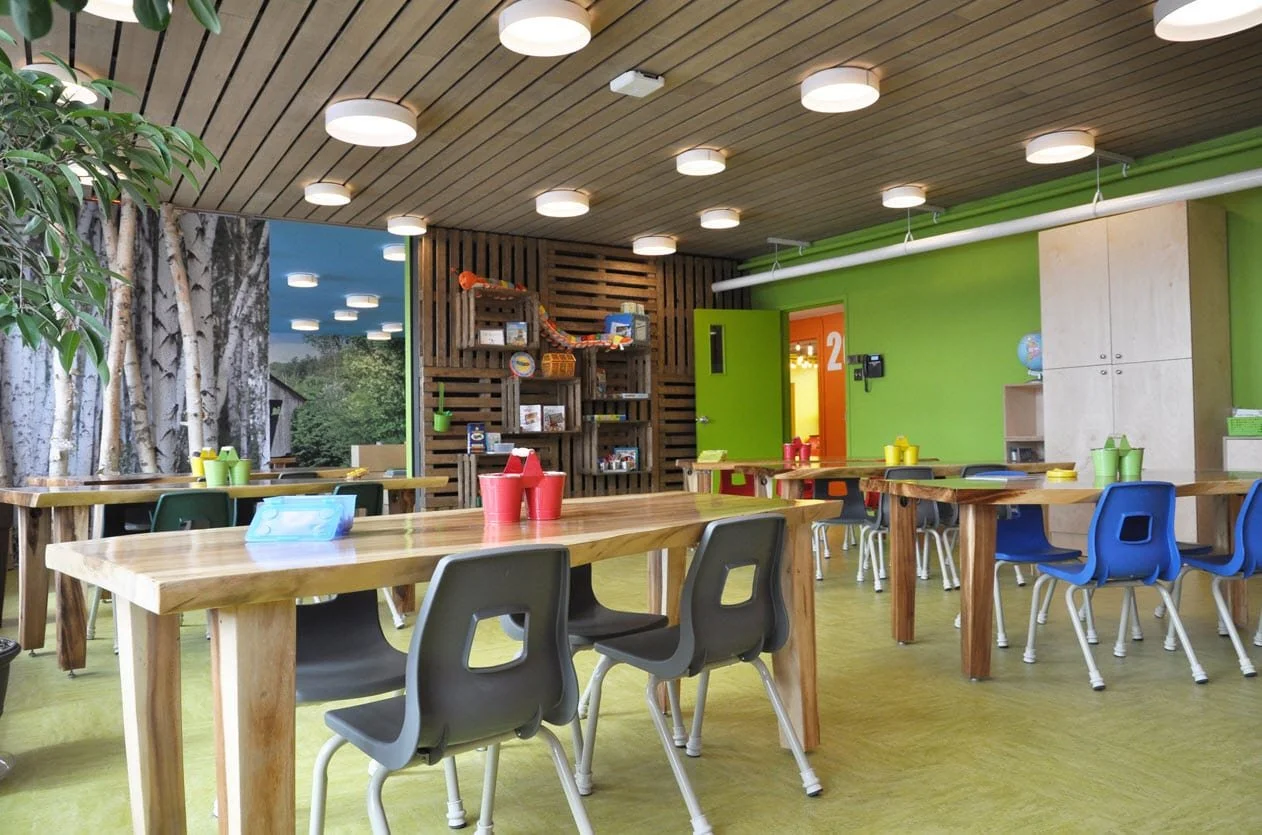
École Au Millénaire, Canada
Conclusion: From Green Space to Health Space
Biophilic design should not be mistaken for décor. It is a behavioural health strategy that, when implemented with depth and precision, offers measurable benefits to mental health, cognitive function, and emotional resilience. But this requires more than greenery. It calls for evidence-informed frameworks, multi-sensory systems, and evaluative methods rooted in behavioural science.
As we continue to build for performance, comfort, and equity, we would do well to also build for health, in every sense of the word.
References
Gaekwad, J. S., Sal Moslehian, A., & Roös, P. B. (2023). Physiological stress reductions following exposure to natural environments: A meta-analysis. Journal of Environmental Psychology, 90, 102085. https://doi.org/10.1016/j.jenvp.2023.102085
Putrino, D., Ripp, J., Herrera, J. E., Cortes, M., Kellner, C., Rizk, D., & Dams-O’Connor, K (2020). Multisensory, nature-inspired Recharge Rooms yield short-term reductions in perceived stress among frontline healthcare workers. Frontiers in Psychology, 11, 560833. https://doi.org/10.3389/fpsyg.2020.560833
Ryan, C. O., Browning, W. D., Clancy, J. O., Andrews, S. L., & Kallianpurkar, N. B. (2014). Biophilic design patterns: Emerging nature-based parameters for health and well-being in the built environment. International Journal of Architectural Research: ArchNet-IJAR, 8(2), 62–76.
van den Berg, M., Wendel-Vos, W., van Poppel, M., Kemper, H., van Mechelen, W., & Maas, J. (2017). Health benefits of green spaces in the living environment: A systematic review of epidemiological studies. Urban Forestry & Urban Greening, 14(4), 806–816.
Wardle, D. A., & Guo, Z. (2022). Impact of indoor plant presence on stress and cognition: A randomized controlled trial. Journal of Environmental Psychology, 84, 101863. https://doi.org/10.1016/j.jenvp.2022.101863
Zhang, P., Yu, Z., Hou, G., Shu, P., Bo, Y., Shi, Y., & Nie, R. (2024). Enhancing cognitive performance and physiological benefit in workspaces through patterns of biophilic design. Buildings, 14(10), 3293. https://doi.org/10.3390/buildings14103293
